

Meniscal Tear
What is a meniscal tear?
A meniscal tear is a tear of the meniscus, a C-shaped piece of cartilage that cushions and stabilises the knee joint. Each knee has two menisci, and tears can occur suddenly through injury or gradually as part of age-related degeneration.
Dr Varun Arora sees and treats patients with meniscal tears at all levels of severity, across Melbourne and regional Victoria.
Symptoms
Common symptoms of a meniscal tear include:
Pain along the joint line of the knee
Swelling
A catching or locking sensation in the knee
Reduced range of motion
A feeling of the knee giving way
Causes and risk factors
A meniscal tear can develop for a number of reasons, including:
Sudden twisting injuries, often during sport
Degenerative changes associated with age
Direct trauma to the knee
Squatting or deep bending movements under load
Treatment options for a meniscal tear
Treatment for a meniscal tear depends on the size, location, and pattern of the tear, as well as your age, activity level, and symptoms.
Non-surgical treatment
Many meniscal tears, particularly smaller or degenerative tears, can be managed without surgery through:
Physiotherapy and strengthening exercises
Activity modification
Anti-inflammatory medication
Rest and gradual return to activity
Surgical treatment
When symptoms persist or the tear pattern is not suited to non-surgical management, surgical treatment may be considered:
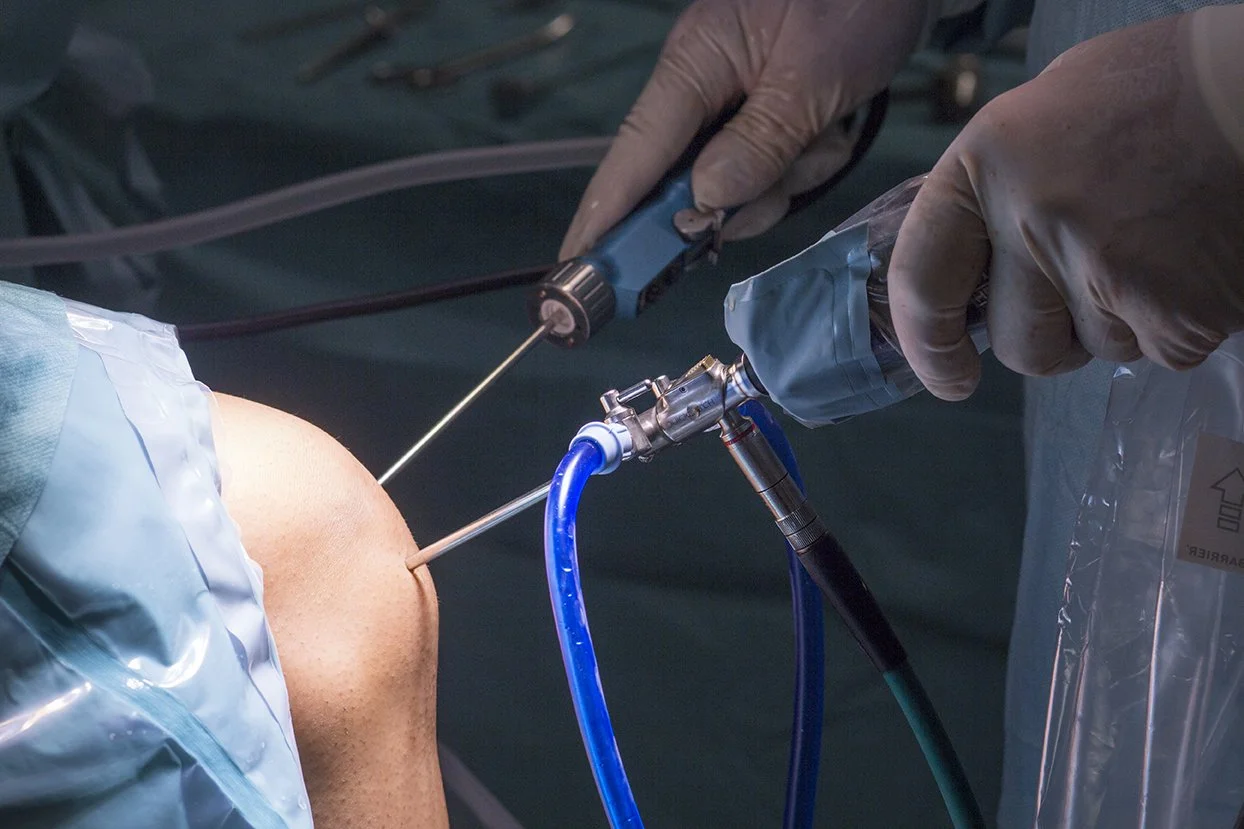
Knee Arthroscopy — used to repair or trim the torn portion of the meniscus, depending on the location and pattern of the tear.
Meniscal Tear Frequently Asked Questions
Do all meniscal tears need surgery?
No, many meniscal tears can be managed successfully without surgery, particularly smaller or degenerative tears.
Can a torn meniscus heal on its own?
Some tears, particularly those in areas with a good blood supply, may heal or settle with non-surgical treatment. Others may require surgical repair.

Knee Surgery in Melbourne
If you would like to discuss your symptoms or treatment options, contact Dr Varun Arora to schedule a consultation.